Furniture edge banding tape plays a crucial role in modern furniture design, providing both functional and aesthetic benefits. It is a narrow strip of material applied to the exposed edges of furniture panels to cover rough or unfinished surfaces, ensuring a smooth and polished look. Whether in home interiors, office setups, or commercial spaces, furniture edge banding tape enhances the visual appeal and durability of furniture. The choice of edge banding material, design, and color plays a key role in determining how well the furniture integrates with the surrounding décor. From wood veneers to PVC and ABS edge banding, these materials help create a seamless finish while also offering protection against moisture, impact, and daily wear.
The Aesthetic Appeal Of Furniture Edge Banding Tape
One of the primary reasons for using furniture edge banding tape is to enhance the visual appeal of furniture. Without edge banding, raw edges can appear unfinished and unattractive, detracting from the overall elegance of the furniture piece. With carefully selected edge banding tape, furniture gains a refined and cohesive appearance.
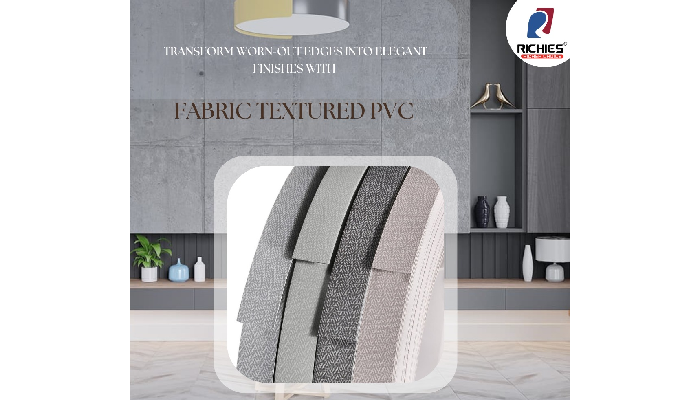
Color and texture are key factors in achieving an aesthetically pleasing design. Furniture edge banding tape is available in a variety of finishes, including matte, glossy, woodgrain, and textured surfaces, allowing designers to match or contrast with the main furniture panels. This customization enables the creation of unique furniture styles, whether modern, traditional, or industrial. Additionally, edge banding can add a decorative element to furniture by incorporating different edge profiles and layering techniques to create depth and sophistication.
Seamless Integration With Various Furniture Designs
Modern furniture designs emphasize sleekness and minimalism, and furniture edge banding tape helps achieve this by offering seamless integration with furniture surfaces. Whether applied to cabinets, desks, wardrobes, or shelves, edge banding creates clean lines and smooth edges that elevate the overall look of the furniture.
For homeowners and interior designers, choosing the right edge banding material ensures harmony between furniture elements. For instance, a high-gloss white edge banding tape on contemporary kitchen cabinets adds a crisp and modern appeal, while a woodgrain edge banding tape on office desks provides a warm and natural touch. Additionally, custom edge banding designs, such as dual-tone or metallic finishes, can be used to highlight certain furniture features and make them stand out as focal points in a room.
Enhancing Durability While Maintaining Aesthetics
Beyond aesthetics, furniture edge banding tape plays a significant role in protecting furniture against damage. Exposed edges are prone to chipping, splintering, and moisture absorption, which can affect both appearance and longevity. By applying edge banding, furniture manufacturers can reinforce panel edges, preventing cracks and ensuring long-term durability.
For high-traffic areas such as office spaces and commercial establishments, impact-resistant edge banding options like ABS and PVC provide added protection while maintaining a stylish look. Additionally, heat-resistant and water-resistant properties make edge banding ideal for kitchen furniture, bathroom vanities, and other moisture-prone areas. With the right selection, edge banding enhances the aesthetic value of furniture without compromising strength and resilience.
Versatility In Style And Design
The wide range of available furniture edge banding tape styles ensures that furniture manufacturers and designers can cater to diverse preferences. Whether opting for a classic wood appearance, an industrial metal finish, or a bold contemporary color, edge banding contributes to the uniqueness of furniture pieces.
In commercial environments such as hotels, restaurants, and retail spaces, furniture with customized edge banding can reflect branding aesthetics and create a cohesive interior design. For example, luxury boutiques may use gold-accented edge banding for a sophisticated look, while modern office spaces may prefer subtle, minimalist edge banding that blends with their corporate design. This flexibility makes edge banding a valuable element in furniture customization.
Improving The Perceived Quality Of Furniture
A well-finished piece of furniture with furniture edge banding tape conveys a sense of quality and craftsmanship. Consumers often associate clean, polished edges with high-end furniture, making edge banding an essential finishing touch. Without edge banding, even the most beautifully designed furniture can appear incomplete or lower in quality.
Edge banding ensures consistency in furniture manufacturing by providing uniform edges that complement the main surface. This uniformity enhances the overall aesthetic, making furniture pieces look more refined and professionally crafted. Whether in mass-produced or custom-made furniture, edge banding adds to the perceived value by eliminating rough edges and improving the overall finish.
Complementing Different Material Choices
Furniture edge banding tape is designed to complement a variety of materials, including MDF, plywood, particleboard, and even solid wood. Different materials require different edge banding solutions to maintain a polished and professional appearance. For instance, MDF and particleboard, commonly used in budget-friendly furniture, benefit greatly from edge banding to mask their raw edges and enhance their appeal.
For luxury furniture, wood veneer edge banding provides a natural look that matches real wood surfaces, offering an elegant and high-quality finish. High-gloss acrylic edge banding, on the other hand, pairs well with modern, sleek furniture, adding a reflective quality that enhances contemporary aesthetics. With the right edge banding choice, furniture can achieve a high-end appearance regardless of the base material.
Easy Maintenance And Long-Lasting Aesthetic Appeal
Furniture should not only look good when new but should maintain its aesthetics over time. Furniture edge banding tape helps ensure that furniture retains its beauty with minimal maintenance. Edge banding is resistant to scratches, stains, and fading, making it an excellent solution for maintaining the pristine condition of furniture.
Cleaning furniture with edge banding is also easier compared to raw or unfinished edges. A simple wipe with a damp cloth is usually enough to keep edge-banded furniture looking fresh. This low-maintenance feature is particularly beneficial in busy households and commercial spaces where furniture is subject to frequent use.
Conclusion
Furniture edge banding tape is an essential component in modern furniture design, offering a perfect balance between aesthetics and functionality. By covering exposed edges, it provides a smooth and refined appearance that enhances the overall appeal of furniture pieces. Whether used to match furniture surfaces seamlessly, add decorative accents, or provide extra durability, edge banding contributes to a polished and professional finish.
From residential interiors to commercial settings, furniture edge banding tape plays a crucial role in elevating furniture aesthetics while ensuring long-term durability. With endless design possibilities, edge banding remains a key element in creating

Alberto Watkins is a distinguished voice in the realm of fashion lifestyle writing. With an innate sense of style and a keen eye for trends, Alberto intricately weaves together narratives that celebrate individuality and self-expression.