If you are planning hip surgery or have just had it, you are probably wondering how long hip replacement recovery will take and what you can do to speed it up. The good news is that most people are able to walk, drive, and return to favourite activities with less pain than before surgery. The key is to follow a clear plan and protect your new joint as it heals.
This guide breaks the process into simple stages, with timelines, safe exercises, and daily tips. It is written in easy language so you, your family, and even caregivers can follow it with confidence.
While recovery details vary from person to person, the basic stages are similar. Knowing what to expect at each step helps you stay calm, avoid worry, and focus on steady progress.
Understanding the Hip Replacement Recovery Stages
Doctors often describe four broad healing phases. Your speed through these stages depends on age, fitness, weight, medical history, and how closely you follow advice.
- Phase 1: Days 1–7 – Learning to move safely, stand, and walk with support.
- Phase 2: Weeks 2–6 – Building basic strength and flexibility at home and in physiotherapy.
- Phase 3: Months 2–3 – Regaining confidence in walking, climbing stairs, and light work.
- Phase 4: 3+ months – Returning to routine life, travel, and low-impact sports.
Contact your surgeon right away if you notice high fever, deep pain in the calf, sudden swelling, or wound redness that spreads. Early action keeps recovery smooth and stress free.
Phase 1: Days 1–7 – Getting Back On Your Feet
In the hospital, nurses and physiotherapists help you sit, stand, and take a few steps, often within 24 hours. This early movement keeps blood flowing and reduces the risk of clots.
Pain control basics
- Take pain medicines exactly as advised. Do not skip doses suddenly.
- Use ice packs around the hip (never directly on skin) for 15–20 minutes at a time.
- Keep pillows between your knees when lying on your side to protect the joint.
Safe walking and support
- Use a walker or crutches as instructed. Put only as much weight as your doctor allows.
- Take short, frequent walks at home instead of one long walk.
- Keep floors clear of rugs and wires to avoid slips.
Starter exercises (usually done several times a day, as advised):
- Ankle pumps – Move feet up and down to improve circulation.
- Glute squeezes – Tighten your buttock muscles for 5 seconds, then relax.
- Heel slides – Lying on your back, slowly slide the heel toward your hip and back.
Phase 2: Weeks 2–6 – Building Strength & Flexibility
By now, pain is usually less, and many people start feeling more confident. This is a crucial time in hip replacement recovery, because proper movement now sets the base for long-term comfort.
Exercise progression
- Straight leg raises – Lift the leg a few inches while lying down, if your therapist approves.
- Standing hip movements – Side leg lifts or gentle back kicks using a chair for support.
- Mini squats – Very small knee bends holding a table, keeping your back straight.
Physiotherapy tips
- Always warm up with simple movements before stronger exercises.
- Expect mild soreness, but sharp or increasing pain is a sign to stop and inform your therapist.
- Record your exercises and walking distance in a notebook or phone to track progress.
Home safety & caregiver checklist
- Raise chair and toilet seat height if possible to avoid deep bending.
- Install grab bars in the bathroom and near stairs.
- Keep essentials like medicines, water, and phone within easy reach.
Phase 3: Months 2–3 – Advancing Mobility & Independence
In this stage, many people shift from walker to cane, and some walk without support for short distances. You start feeling more “normal,” but the joint is still healing internally.
Low-impact cardio
- Stationary cycling with low resistance keeps the joint moving smoothly.
- Swimming or water walking, if your wound is fully healed and your doctor approves.
- Short outdoor walks on flat ground during cooler times of the day.
Stronger muscles with simple tools
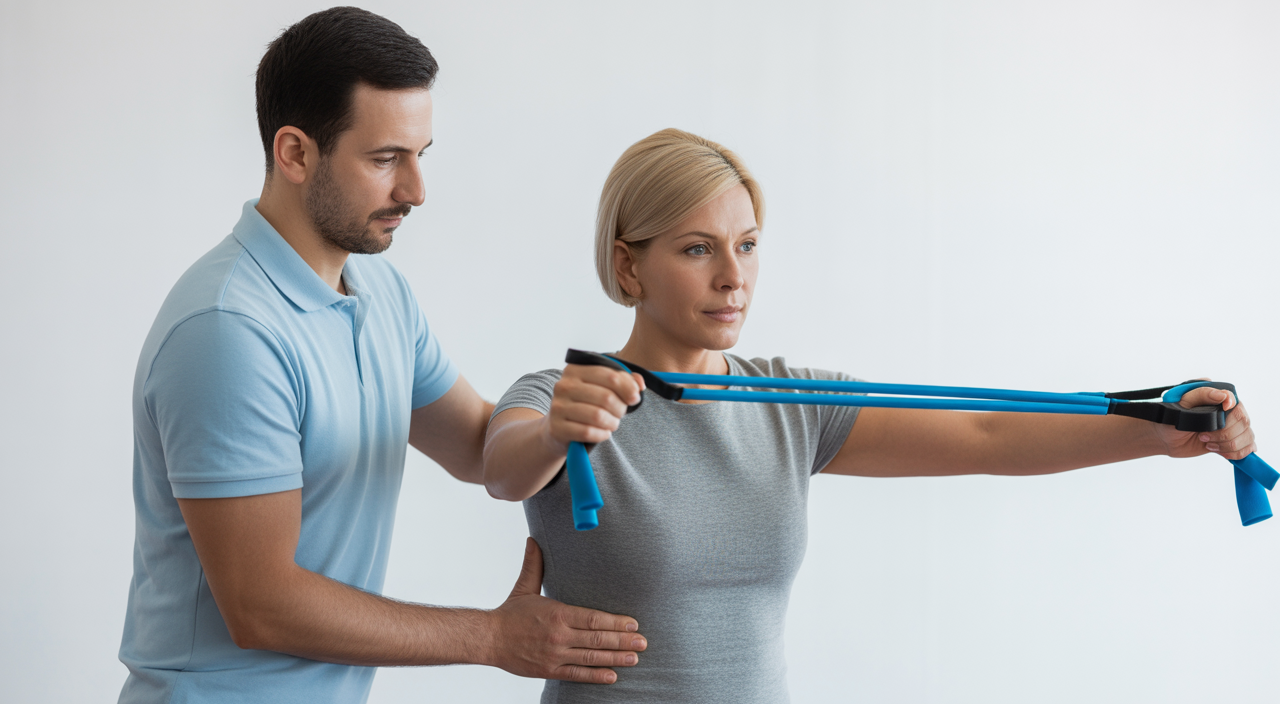
- Use light resistance bands for side leg lifts or gentle hip extensions.
- Practice step-ups on a low step or stair, holding the railing.
- Add core exercises like gentle abdominal tightening to support your back and hip.
Returning to driving and work
- Most doctors allow driving 4–6 weeks after surgery if pain is controlled and you can brake quickly.
- For desk work, many return around 6–8 weeks, with frequent short standing breaks.
- For more physical jobs, discuss a personalised plan with your surgeon.
Phase 4: Long-Term Recovery – 3 Months & Beyond
By three months, many people walk with little or no limp and feel more confident using stairs. Full strength and balance can keep improving for up to a year.
Activity and sports
- Great choices include walking, cycling, yoga under guidance, and gentle stretching.
- High-impact sports like running or jumping are usually not advised.
- Always warm up before activities and cool down with easy stretches.
Nutrition for bone and muscle health
- Include calcium-rich foods such as dairy, ragi, sesame seeds, and leafy greens.
- Get enough vitamin D through sunlight and doctor-approved supplements if needed.
- Eat protein in every meal, such as lentils, paneer, eggs, fish, or lean meat.
Mindset and mental wellness
- Set small, realistic goals like “walk 5 more minutes this week.”
- Practice deep breathing or short meditation to stay relaxed and positive.
- Share your progress with family or a support group to stay motivated.
Common Problems & When To Call Your Doctor
Most people recover smoothly, but it is wise to know warning signs so you can act early and stay safe.
- Increasing redness, warmth, or pus around the wound.
- Sudden swelling or sharp pain in the calf or thigh.
- Fever that does not settle or sudden, deep hip pain.
Contact your surgeon quickly if any of these appear. Prompt care protects your new joint and keeps your recovery on track.
Helpful Extras for a Smoother Journey
Many patients find it useful to use a simple recovery planner to note medicines, exercises, and walking targets. You can even adapt ideas from tools used in other health areas, such as the organised checklists shared in this guide on working with a post-operation therapist.
You may also enjoy reading about mobility aids and comfort options, similar to the tips in this article on enjoying the comfort of wheelchair-accessible vehicles. These ideas can inspire you to design a safe, supportive environment at home during your own hip healing journey.
FAQs on Hip Replacement Recovery
How long does it usually take to recover from hip replacement surgery?
Many people walk with support within a few days, use a cane or no support by 6–8 weeks, and feel much stronger by 3 months. Full recovery, including maximum strength and balance, often continues for 6–12 months. The exact timing depends on your age, health, and how regularly you follow your exercise and safety plan.
Which exercises are safest after hip replacement?
In the early weeks, gentle ankle pumps, glute squeezes, and heel slides are usually safe, followed by straight leg raises, side leg lifts, and short walks. Later, low-impact activities like stationary cycling, water walking, and band exercises build strength without stressing the joint. Always follow your surgeon’s and physiotherapist’s specific advice, as each person’s plan can be slightly different.

Laurel Salinas is a freelance writer and lifestyle blogger based in Indiana. She is passionate about exploring the world we live in and uncovering the stories untold by others. With a lifetime passion for helping others and a strong background in journalism, she has dedicated her writing career to creating useful, inspiring stories for readers.