
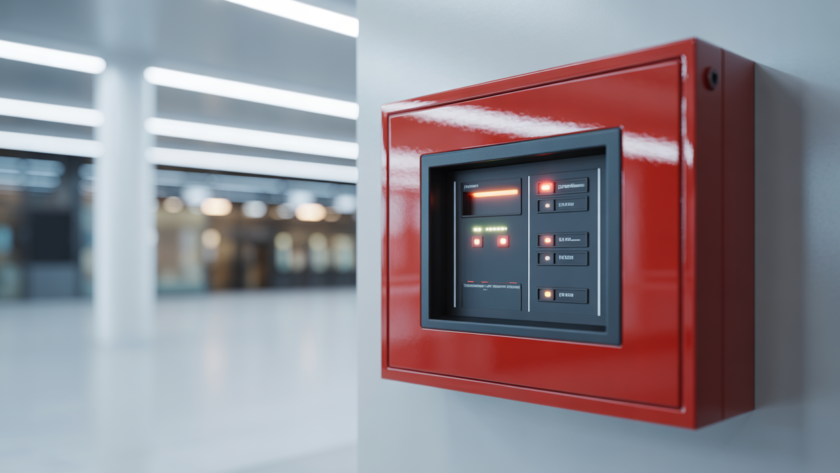
Is your business truly safe from the threat of fire? Protecting your property, employees, and valuable assets is a top priority for any responsible owner or facility manager. A robust fire safety plan is essential. At its heart lies a reliable fire suppression system.
Understanding the ins and outs of fire suppression system installation can seem complex. But it’s a critical investment. This guide will walk you through everything you need to know. We will cover different types of systems, the installation process, key regulations, and how to choose the right partner.
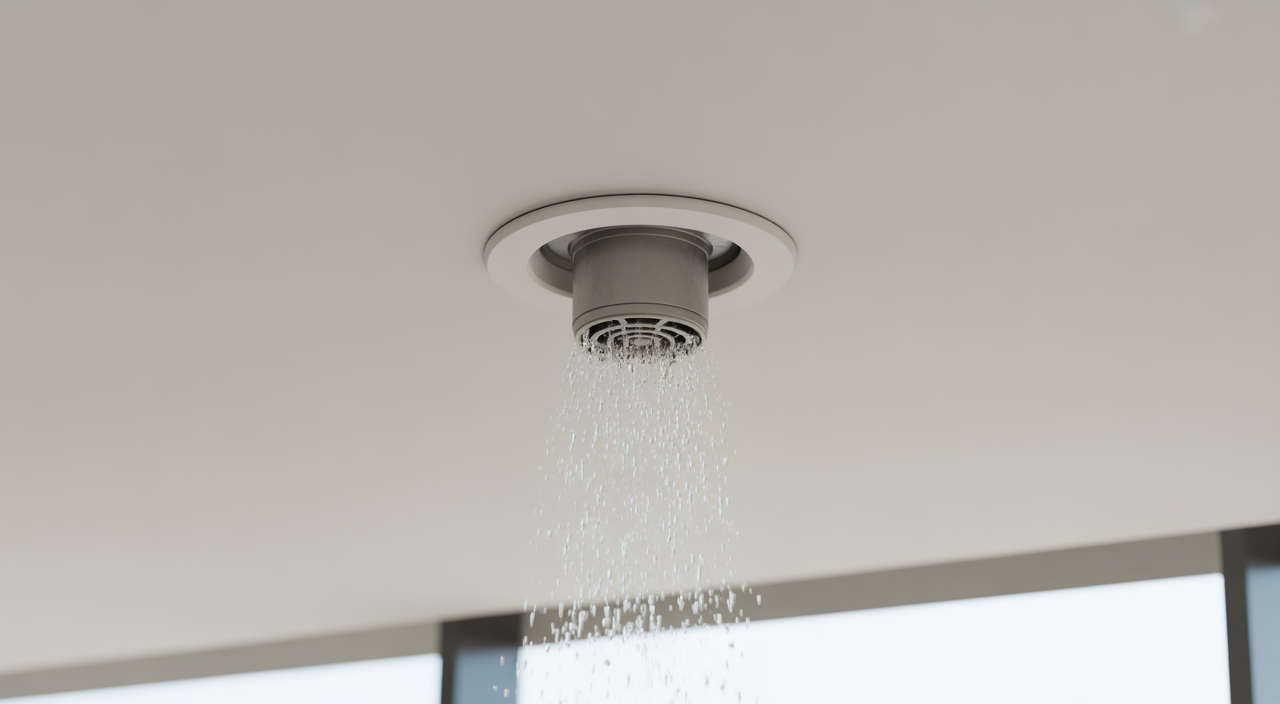
What is a Fire Suppression System and Why is Professional Installation Critical?
Many people think of fire alarms as the only protection. However, a fire alarm only alerts you to a fire. A fire suppression system actively works to put out a fire or stop it from spreading.
These systems are your front line of defense against devastating losses. They reduce damage, save lives, and protect your business operations. Proper installation is crucial for these systems to work when you need them most; incorrect installation can lead to system failures, severe legal liabilities, and even void your insurance coverage. Always rely on certified professionals.
Types of Fire Suppression Systems: Choosing the Right Solution
Not all fires are the same. Different types of systems are designed for different risks. Choosing the right one depends on your specific environment and the materials present.
A. Water-Based Systems (Sprinklers)
These are the most common and versatile systems. They use water to control or extinguish fires.
- Wet Pipe Systems: These pipes are always filled with water under pressure. When a sprinkler head activates, water is immediately discharged. They are best for most heated environments.
- Dry Pipe Systems: Used in unheated buildings or areas where pipes might freeze. The pipes contain pressurized air. When a sprinkler activates, the air escapes, and water then flows into the pipes.
- Pre-Action Systems: Ideal for sensitive areas like data centers or museums. Water enters the pipes only after a two-step activation process. This prevents accidental water discharge.
- Deluge Systems: Designed for high-hazard environments. All sprinkler heads open at once when the system activates. This provides a large volume of water quickly.
B. Chemical & Clean Agent Systems
These systems use special agents other than water. They are often chosen when water could damage valuable equipment or sensitive materials.
- Clean Agent Systems (e.g., common clean agents): These agents are gas-based. They extinguish fires by removing heat or disrupting the chemical reaction of the fire. They leave no residue and are safe for electronics. They are perfect for server rooms, data centers, and telecommunication facilities.
- CO2 Systems: Carbon dioxide extinguishes fire by reducing oxygen levels. It is highly effective for industrial hazards, like flammable liquid storage. However, CO2 can be dangerous to humans in enclosed spaces.
- Dry Chemical Systems: These use a fine powder to suppress fires involving flammable liquids and gases. They are common in industrial settings or areas with high-risk machinery.
- Wet Chemical Systems: Specifically designed for commercial kitchens. They release a potassium acetate-based agent that cools and smothers grease fires. This is vital for restaurant kitchens and cooking areas.
C. Foam Suppression Systems
Foam systems create a blanket over flammable liquids. This cuts off oxygen and cools the fuel. They are typically used in environments like aircraft hangars, chemical storage facilities, or fuel farms.
When deciding, consider the type of fire hazard, the value of your assets, your facility’s environment, and local regulations. A thorough risk assessment will help you choose wisely.
The Fire Suppression System Installation Process: A Step-by-Step Overview
- Initial Consultation & Risk Assessment: Experts will meet with you to understand your property, business operations, and potential fire risks. They assess the specific hazards.
- System Design & Engineering: Based on the assessment, engineers design a custom system. This design considers factors like building layout, fire codes, and the types of materials present. All plans adhere to strict effective property management and safety regulations.
- Permitting & Approvals: The design plans are submitted to local fire departments and authorities for approval. Obtaining the necessary permits ensures compliance with all local enhancing overall property security.
- Procurement & Preparation: Once approved, equipment and materials are ordered. The installation site is prepared for work, often involving minimal disruption to your daily operations.
- Physical Installation: Certified technicians begin mounting system components. This includes piping, sprinkler heads, nozzles, control panels, and wiring. Each step follows the approved design meticulously.
- Testing & Commissioning: After installation, the system undergoes rigorous testing. This ensures every component works correctly. It checks for leaks, proper pressure, and accurate sensor activation.
- Final Inspection & Certification: The local fire marshal or a certified inspector reviews the installation. They verify that it meets all national and local standards. A certificate of compliance is issued upon successful inspection.
- Training & Handover: Your staff receives training on how the system works. They learn about its controls and what to do if it activates. You get all necessary documentation and maintenance schedules.
Key Regulations & Compliance for Fire Suppression Systems
Adhering to regulations is not just about avoiding fines. It is about ensuring your system will actually work. Several key standards guide fire suppression system installation.
- Recognized National Fire Safety Codes: Recognized national fire safety codes publish a comprehensive set of codes and standards. These often build upon recognized national fire safety codes, but can have unique additions. These are globally recognized benchmarks for fire safety.
- Local Building Codes & Fire Marshal Requirements: Every city, state, or region has its own specific building codes and fire marshal requirements. These often build upon recognized national fire safety codes but can have unique additions. Your installer must know these local specifics.
- Insurance Requirements: Insurance providers often mandate specific types of fire suppression systems. They require regular inspections to maintain coverage. A compliant system can also lead to lower insurance premiums, reflecting improved risk assessment.
- Importance of Certified Installers: Only certified and licensed professionals can guarantee adherence to all these standards. They understand the complexities and nuances of each regulation.
Understanding Fire Suppression System Installation Costs
The cost of installing a fire suppression system varies widely. It is an investment that provides long-term peace of mind and protection. Several factors influence the overall expense:
- System Type: Water-based systems generally have lower upfront costs than specialized clean agent or foam systems.
- Facility Size & Complexity: Larger buildings with intricate layouts or multiple hazard zones will naturally cost more.
- Existing Infrastructure: Retrofitting an older building can be more expensive than new construction. This is due to potential structural modifications needed.
- Local Regulations: Stricter local codes might require additional components or more extensive design work.
While the initial outlay can be significant, consider the long-term benefits. These include protecting lives, preventing property damage, and ensuring business continuity. Also, remember to budget for ongoing fire suppression system maintenance and regular inspections. These costs ensure your system remains reliable and compliant.
Choosing the Right Partner for Your Fire Suppression System Installation
Selecting the right installer is perhaps the most important decision. A reliable partner ensures your system is effective and compliant. Here’s what to look for:
- Experience & Expertise: Choose a company with a proven track record. They should have experience with systems similar to what your property needs.
- Certifications & Licensing: Ensure their technicians hold relevant certifications. This shows they meet industry standards. They should also be fully licensed to operate in your region.
- Comprehensive Services: A good partner offers more than just installation. Look for companies that provide design, inspection, and ongoing maintenance services.
- Reputation & References: Check client testimonials and ask for references. A strong reputation in the community is a good indicator of quality service.
- Local Knowledge: A local company will be familiar with specific regional building codes and fire department requirements. This helps ensure a smooth permitting and approval process.
When it comes to the safety of your property and personnel, trust the experts. Selecting a highly qualified team for your system’s setup is paramount.
Post-Installation: Maintenance and Ongoing Fire Safety
Installation is just the beginning. Regular inspections and maintenance are crucial. These ensure your fire suppression system remains fully operational. They also confirm it meets all necessary standards. Preventative maintenance helps extend the life of your system. It also ensures it will activate reliably when a fire occurs. A comprehensive maintenance plan includes routine checks, testing, and any necessary repairs. This proactive approach saves you from costly emergencies down the line.
Conclusion: Secure Your Future with Expert Fire Suppression Installation
Investing in a professional fire suppression solution is investing in your future. It’s about more than just equipment. It’s about peace of mind. It ensures your business, people, and assets are safeguarded against fire’s devastating impact.
By understanding the types of systems, the installation process, and the importance of compliance, you can make informed decisions. Always choose experienced and certified professionals. They will ensure your fire safety standards are met and exceeded. Ready to enhance your property’s safety? Secure your future today.
Frequently Asked Questions (FAQs)
Q1: How often do fire suppression systems need to be inspected?
Most fire suppression systems require regular inspections and maintenance. The frequency depends on the system type and local regulations. Generally, this can range from quarterly to annually. Specific components like fire extinguishers need monthly checks. Your certified installer will provide a detailed schedule based on industry standards like recognized national fire safety codes and local codes.
Q2: Can I install a fire suppression system myself to save costs?
No, installing a fire suppression system is not a DIY project. It requires specialized knowledge, tools, and certifications. Improper installation can lead to system failure during a fire. It can also result in legal penalties, voided insurance, and severe safety risks. Always use licensed and certified professionals for design, installation, and maintenance to ensure compliance and effectiveness.

Laurel Salinas is a freelance writer and lifestyle blogger based in Indiana. She is passionate about exploring the world we live in and uncovering the stories untold by others. With a lifetime passion for helping others and a strong background in journalism, she has dedicated her writing career to creating useful, inspiring stories for readers.


