Choosing the right at-home sleep apnea test starts with a proper medical evaluation by a healthcare provider who reviews your symptoms and medical history. For those suspected of having moderate to severe obstructive sleep apnea, Type 3 tests are usually better because they collect more detailed data using several sensors. It’s important to confirm if your insurance covers the test and understand any out-of-pocket costs involved. Look for tests that come with clear instructions and reliable customer support, making them easier to use overnight. Finally, ensure that a board-certified sleep specialist interprets your results instead of relying on automated scoring alone for accurate diagnosis.
What Are At-Home Sleep Apnea Tests and How They Work?
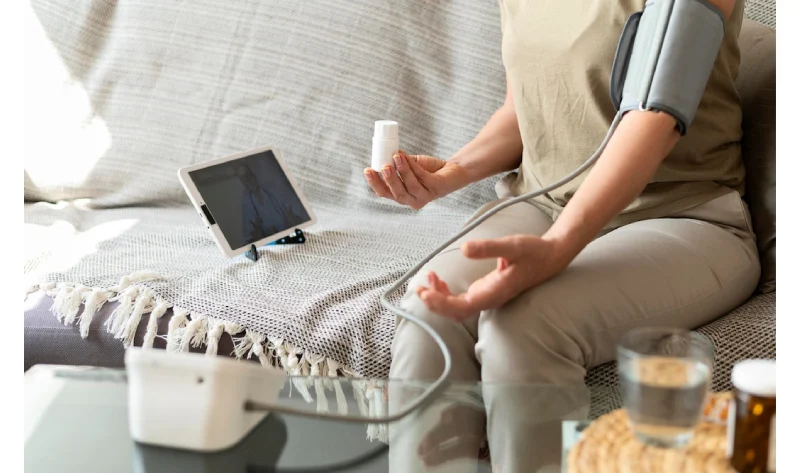
At home sleep apnea test (HSAT) are designed to monitor key body functions during sleep, such as breathing patterns, oxygen levels, and heart rate, all from the comfort of your own home. These tests primarily screen for obstructive sleep apnea (OSA), especially moderate to severe cases, by detecting interruptions in airflow and drops in blood oxygen. There are two main types of HSATs: Type 3 tests use multiple sensors to track airflow, respiratory effort, oxygen saturation, heart rate, and sometimes snoring and body position. Type 4 tests are simpler, measuring only one or two signals like oxygen saturation or airflow. Unlike in-lab polysomnography (PSG), which records brain waves and sleep stages, HSATs do not measure brain activity or sleep architecture. During the test, users wear sensors overnight attached to a small recording device. The collected data is later analyzed by a sleep specialist who looks for breathing interruptions and oxygen drops that indicate OSA. While HSATs are less comprehensive than lab studies, they offer greater convenience and lower costs, making them a practical option for many adults suspected of having sleep apnea. The results help doctors confirm a diagnosis and decide on appropriate treatment options, though HSATs are best suited for patients without complex medical conditions or other sleep disorders.

Different Types of At-Home Sleep Apnea Tests Explained
At-home sleep apnea tests primarily fall into two categories: Type 3 and Type 4 devices. Type 3 tests use multiple sensors to track several vital signals, including airflow, respiratory effort, blood oxygen levels, heart rate, and sometimes snoring and body position. These devices often include belts around the chest and abdomen to measure breathing effort, providing a more detailed and accurate picture, especially for moderate to severe obstructive sleep apnea. On the other hand, Type 4 tests are simpler, usually involving just one or two sensors that focus on oxygen saturation or airflow alone. These are often smaller devices, like a finger pulse oximeter or a nasal cannula sensor, and are generally used for quick screening or cases where complexity is low. Neither type records brain activity or sleep stages, which means they cannot fully diagnose all sleep disorders or detect mild apnea with the same precision as in-lab sleep studies. Choosing the right test depends on your health condition, symptom severity, and your healthcare provider’s recommendation. For example, if you have significant symptoms or risk factors, a Type 3 test might be more appropriate due to its comprehensive data. Meanwhile, Type 4 tests can be useful for initial screening or when simplicity and ease of use are priorities. Some devices also capture snoring sounds or track body position to help identify apnea triggers, adding valuable context to the results. Understanding these differences can help set realistic expectations about the accuracy and limitations of your at-home test.
Steps to Take Before Using an At-Home Sleep Apnea Test
Before using an at-home sleep apnea test, start by consulting your healthcare provider. Discuss your symptoms and medical history to determine if this type of test is appropriate for you. You’ll need a prescription or order from a licensed medical professional to obtain the test kit. When selecting a test, consider your provider’s recommendation, what your insurance covers, and how easy the device is to use. Make sure you fully understand how to set up the sensors and wear them correctly to avoid errors. On the night of the test, avoid caffeine, alcohol, and sedatives, as these can affect your sleep and the accuracy of results. Keep your sleep schedule as normal as possible before and during the test night to get the most reliable data. Carefully review all instructions for sensor placement and device activation beforehand. Prepare a quiet and comfortable sleeping environment at home to help you sleep naturally. After completing the test, know the process for returning or sending back the equipment promptly. Finally, schedule a follow-up appointment with your healthcare provider to review the results and discuss any next steps in your care.
- Consult a healthcare provider to discuss symptoms and medical history before testing.
- Get a prescription or order for the test from a licensed medical professional.
- Choose a test based on provider advice, insurance coverage, and ease of use.
- Make sure to understand how to set up and wear the sensors correctly.
- Avoid caffeine, alcohol, and sedatives on the night of the test to get accurate results.
- Maintain a normal sleep schedule the night before and during the test.
- Review instructions carefully for sensor placement and device activation.
- Prepare a quiet, comfortable sleeping environment at home.
- Know how and when to return or send back the test equipment after use.
- Plan a follow-up appointment with the provider to discuss test results.
Benefits of Choosing At-Home Sleep Apnea Testing
At-home sleep apnea tests offer several advantages that make them an appealing choice for many patients. One of the biggest benefits is the comfort of sleeping in your own bed rather than an unfamiliar lab setting, which can reduce anxiety and allow for a more natural night’s rest. This familiarity often leads to better quality data since you are in your usual sleep environment. Convenience is another key factor: you avoid the hassle of traveling to a sleep center and waiting weeks or even months for an appointment. Instead, the testing equipment is delivered to your home, and you can schedule the test on your own terms with minimal disruption to your daily routine.
Cost is a significant consideration as well. At-home tests typically range from $150 to $500, which is much more affordable compared to in-lab polysomnography that can cost several thousand dollars. Many insurance plans cover at-home testing when it is prescribed by a healthcare provider, making it a financially accessible option for many patients. The faster turnaround time for testing and results also means you can move more quickly to diagnosis and treatment, rather than enduring delays associated with lab scheduling.
At-home tests are generally simpler to set up and less intrusive than full polysomnography, which involves numerous sensors and wires. This simplicity allows for repeated testing if needed, without causing much inconvenience. For patients with straightforward symptoms and no complicated health issues, at-home testing provides reliable information to guide treatment decisions. Overall, the combination of comfort, convenience, affordability, and speed makes at-home sleep apnea testing a practical choice for many adults suspected of having obstructive sleep apnea.
Limitations You Should Know About At-Home Tests
At-home sleep apnea tests (HSATs) offer convenience but come with notable limitations you should understand before choosing one. These tests estimate respiratory events based on total recording time rather than actual sleep time, which means if you spend a significant portion of the night awake, the severity of sleep apnea may be underestimated. HSATs are less sensitive for detecting mild sleep apnea and cannot identify other common sleep disorders like narcolepsy or periodic limb movements. Because there is no technician supervision, sensors can shift or fall off during the night, causing lost or inaccurate data. Unlike in-lab polysomnography, these tests do not record brain activity or sleep stages, so they provide limited diagnostic detail and cannot detect central sleep apnea or more complex conditions. For patients with heart failure, severe lung disease, or neuromuscular issues, HSATs are generally not recommended. Also, relying solely on automated scoring without expert review can lead to misinterpretation of results. In some cases, inconclusive or borderline findings from an at-home test require follow-up with a comprehensive in-lab study. Finally, the accuracy of HSAT results depends heavily on correct sensor placement and patient adherence to instructions, which can be challenging without professional guidance.
How to Pick the Right Test Based on Your Health Needs?
Choosing the right at-home sleep apnea test starts with a thorough medical evaluation by a healthcare provider who will review your symptoms and medical history. If moderate to severe sleep apnea is suspected, a Type 3 test is often the better choice because it collects more detailed data, including airflow, respiratory effort, oxygen levels, and heart rate. For mild or unclear symptoms, a simpler Type 4 test may be sufficient as an initial screening. It’s important to verify your insurance coverage and understand any out-of-pocket costs before ordering the test. Consider how easy the test is to use and how comfortable it will be to wear overnight, since some tests have multiple sensors while others require fewer. Choose a test that comes with clear instructions and reliable customer support to help if you run into issues. Make sure the results will be reviewed by a board-certified sleep specialist rather than relying only on automated scoring, which can miss nuances in the data. Also, be mindful that if you have other medical conditions like heart failure or neurological disorders, an in-lab polysomnography might be necessary instead. Finally, discuss with your provider what the next steps will be if your test results are inconclusive or negative but symptoms persist, so you have a clear follow-up plan.
Insurance and Cost Considerations for At-Home Tests
Many insurance plans cover home sleep apnea tests (HSAT) when prescribed by a healthcare provider, making them a more affordable option compared to in-lab sleep studies. However, insurers often require pre-authorization before approving the test, so it’s important to check with your insurance company in advance. Out-of-pocket costs for HSAT typically range from $150 to $500, which is significantly less than the $3,000 or more that in-lab polysomnography can cost. If you use a test prescribed by your provider, your chances of getting reimbursement increase, but some companies offer direct-to-consumer tests that may not be covered by insurance at all. Before ordering, verify whether the testing company accepts your insurance or if you will need to pay upfront and seek reimbursement later. Also, consider potential additional costs such as follow-up visits or further testing if results are inconclusive or treatment adjustments are needed. To help with insurance claims, ask your healthcare provider for documentation or a prescription that supports the medical necessity of the test. Ultimately, balancing cost with the quality of the test and the involvement of a qualified provider will give you the best value and a more reliable diagnosis.
How Experts Recommend Using At-Home Sleep Apnea Tests?
Experts advise that at-home sleep apnea tests (HSAT) should only be used after a thorough evaluation by a qualified healthcare provider. These tests are suitable primarily for adults who have a high likelihood of moderate to severe obstructive sleep apnea without complex medical conditions. For example, patients with congestive heart failure or neurological disorders are generally not good candidates for HSAT and should undergo in-lab polysomnography (PSG) instead. Once prescribed, patients must follow the manufacturer’s instructions carefully to ensure proper device use and reliable data collection. It’s important that test results are reviewed by board-certified sleep medicine physicians rather than relying solely on automated scoring systems, which can miss or misinterpret data. If HSAT results are negative or unclear but symptoms persist, an in-lab PSG is recommended for a more comprehensive evaluation. In addition to diagnosis, HSAT can be valuable for monitoring treatment effectiveness, such as checking CPAP adherence and response. Healthcare providers should clearly explain the test’s limitations and the next steps after testing to set appropriate expectations. Lastly, HSAT should not be used as a general screening tool for people without symptoms, as this can lead to unnecessary testing and confusion.
Tips to Prepare for Your At-Home Sleep Apnea Test
To get accurate results from your at-home sleep apnea test, it’s important to follow the instructions given by your healthcare provider and the testing company carefully. Avoid caffeine, alcohol, and sedatives on the night of the test since these can affect your natural sleep patterns. Before you go to bed, make sure all sensors are placed correctly and securely, and double-check their positioning to prevent data loss. Create a sleep-friendly environment by keeping your room quiet, dark, and comfortable, and try to stick to your usual bedtime routine to maintain normal sleep behavior. If your device requires charging or powering up, do this fully before starting the test to avoid interruptions. During the night, do not remove any sensors unless your provider tells you to. If you experience any events such as waking up, discomfort, or disturbances, write them down to share with your healthcare provider later. After completing the test, return the equipment promptly for timely analysis and make sure to schedule a follow-up appointment to discuss your results and next steps.
What to Do After Completing Your Sleep Apnea Test?
After finishing your at-home sleep apnea test, it’s important to return the equipment promptly following the provider’s instructions. This helps ensure the data collected remains accurate and complete for analysis. Once the test device is sent back, contact your healthcare provider to confirm they received it and to set up a follow-up appointment. During this visit, your provider will review your test results with you, explaining what they mean for your health. If you are diagnosed with sleep apnea, you will discuss treatment options like using a CPAP machine or making lifestyle changes such as weight management and sleep hygiene improvements. In cases where the results are unclear or negative but symptoms continue, your provider may recommend a more detailed in-lab sleep study to get a fuller picture. Don’t hesitate to ask questions about any concerns or the next steps your provider suggests. If treatment is prescribed, it’s crucial to follow it closely and report any discomfort or side effects you experience. Maintaining open communication with your healthcare team is key for ongoing monitoring and support. Sometimes, you might be asked to keep a sleep diary to track your symptoms and how well the treatment is working. If your symptoms worsen or if new sleep problems develop, seek further evaluation promptly to adjust your care plan as needed.
Frequently Asked Questions
1. What factors should I consider to make sure the at home sleep apnea test will give accurate results?
Look for a test that monitors key signals like breathing patterns, oxygen levels, and heart rate. It should be FDA-approved or cleared and easy to use properly. Also, check if it includes clear instructions and support to avoid mistakes that can affect accuracy.
2. How do different at home sleep apnea tests compare in terms of what they measure and how many sensors they use?
Some tests use more sensors to track multiple signals, which can provide a more complete picture of your sleep breathing. Basic ones might just measure oxygen levels and airflow. The choice depends on how detailed a diagnosis your doctor wants and your comfort with wearing the equipment.
3. Can I trust the results of an at home sleep apnea test if I have other health issues or take certain medications?
Certain conditions or medications can affect your sleep and breathing patterns, potentially influencing test results. It’s important to tell your healthcare provider about your health conditions and medicines so they can recommend the most suitable test and interpret the results correctly.
4. What role does customer support and clear test instructions play in choosing the right home sleep apnea test?
Good customer support and clear instructions can make the testing process easier and reduce errors. If you’re unsure about how to set up or use the device, having access to quick help can improve the quality of your test and the reliability of the results.
5. How does the technology used in at home sleep apnea devices impact user comfort during sleep?
Devices with fewer and smaller sensors often cause less discomfort and disturbance, which can help you sleep more naturally during the test. More complex devices may provide detailed data but might be harder to wear all night, so balancing comfort and data needs is key.
TL;DR At-home sleep apnea tests offer a convenient and affordable way to diagnose moderate to severe obstructive sleep apnea for adults without complex health issues. These tests monitor breathing, oxygen levels, and heart rate during sleep using different sensor setups, with Type 3 tests providing more detailed data than Type 4. Before testing, consult a healthcare provider to ensure HSAT is appropriate for your condition. Benefits include comfort, faster results, and insurance coverage, but the tests have limits in accuracy and cannot detect all sleep disorders. Choose a test based on your health needs, insurance coverage, and device ease of use. Experts stress the importance of professional interpretation and follow-up care, especially if symptoms persist or test results are inconclusive.

Laurel Salinas is a freelance writer and lifestyle blogger based in Indiana. She is passionate about exploring the world we live in and uncovering the stories untold by others. With a lifetime passion for helping others and a strong background in journalism, she has dedicated her writing career to creating useful, inspiring stories for readers.