
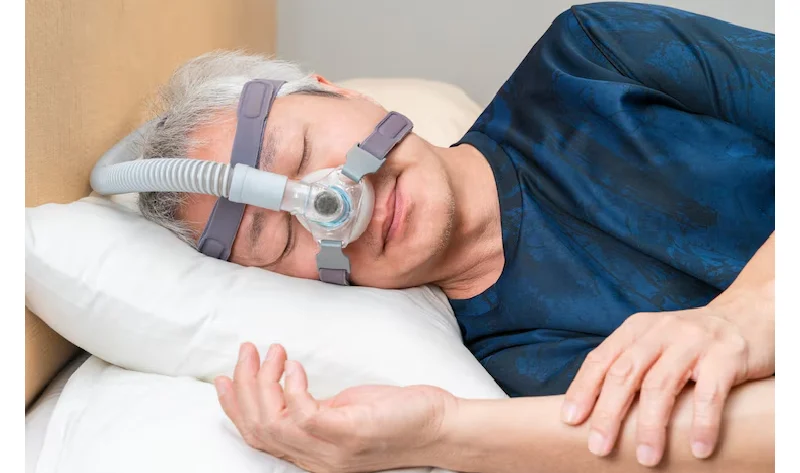
At-home sleep apnea tests are designed mainly to detect obstructive sleep apnea by monitoring breathing interruptions during sleep. They’re usually recommended for people who have symptoms like loud snoring, daytime tiredness, or observed breathing pauses, especially if they also have risk factors such as obesity or high blood pressure. The kits come with sensors that you wear overnight, nasal prongs for airflow, pulse oximeters for oxygen levels, and belts to track breathing effort, all connected to a portable device. While easy to use at home with clear instructions, these tests may underestimate how severe the condition is and don’t check brain activity. If results are unclear or complex issues exist, an in-lab study might be needed. Early detection is important because untreated sleep apnea can raise risks for heart problems and other health issues.
Purpose of At-Home Sleep Apnea Tests
Sleep apnea test home are designed to detect obstructive sleep apnea (OSA) by recording interruptions in breathing during sleep. These tests offer a straightforward way to confirm sleep apnea in individuals showing symptoms or who have risk factors, like loud snoring or daytime fatigue. Unlike comprehensive sleep studies conducted in a lab, at-home tests focus mainly on identifying OSA by measuring airflow, oxygen levels, and breathing effort. They do not track brain activity or sleep stages, so they are not suitable for diagnosing other sleep disorders. One key advantage is that patients can sleep comfortably in their own bed while wearing simple sensors connected to a portable device. This setup provides a less expensive and more convenient option to screen for sleep apnea before more detailed testing is recommended. Early detection through these tests helps guide timely treatment decisions, potentially improving health outcomes for those affected by OSA.

Who Should Use an At-Home Sleep Apnea Test?
At-home sleep apnea tests are best suited for adults who show clear signs of obstructive sleep apnea, such as loud snoring, frequent daytime tiredness, or breathing pauses noticed by a bed partner. People with risk factors like obesity, high blood pressure, alcohol use, or sedative medication use are also good candidates. These tests work well for individuals suspected of having moderate to severe sleep apnea who do not have serious heart, lung, or neurological conditions. For example, someone overweight with high blood pressure and loud snoring but no other major health issues might benefit from this convenient screening.
However, those with complex medical conditions like lung disease, heart failure, or neurological disorders should avoid at-home tests, as these tests cannot capture the full picture needed for such cases. Also, people who might have other sleep problems, like narcolepsy, will need more comprehensive testing. At-home testing is ideal for patients who find it hard to get to a sleep lab or want a simpler, lower-cost option recommended by their healthcare provider. Success depends on following instructions carefully, so individuals willing to manage the test setup and use it properly at home are the right fit for this type of screening.
How At-Home Sleep Apnea Tests Work?
When you take a sleep apnea test at home, the process starts with a test kit delivered to your doorstep or picked up from a provider. The kit includes all the equipment needed to monitor your breathing while you sleep in your own bed. Before going to sleep, you attach a few sensors: small nasal prongs measure airflow, a pulse oximeter clips on your fingertip to track oxygen levels, and belts wrap around your chest and abdomen to detect breathing effort. These sensors connect to a compact, portable recorder that you wear overnight. You simply start the device before bedtime and remove it when you wake up. The recorder stores all the data collected during the night. Some newer devices also sync with smartphone apps to upload information remotely, making the process even easier. The test tracks pauses in breathing, drops in oxygen, and how hard you work to breathe, helping identify obstructive sleep apnea. Unlike in-lab sleep studies, it does not record brain waves or sleep stages, so it focuses on breathing patterns rather than detailed sleep analysis. Instructions are provided to guide you through setup, and support is available if you need help. After you finish, the device is returned for professional analysis to determine if sleep apnea is present and to estimate its severity.
Setting Up and Using the Test Kit
Most at-home sleep apnea test kits come with clear, step-by-step instructions designed to help you set up the sensors on your own. You’ll typically place a small nasal cannula under your nose to measure airflow, attach a pulse oximeter to your fingertip to track oxygen levels, and wrap belts around your chest and abdomen to monitor breathing effort. Following the provided guidance carefully is important because common mistakes like misplacing sensors or forgetting to start the device can lead to unusable results, which happen in about 7 to 8 percent of cases. Before you go to sleep, make sure to activate the device as instructed. It’s best to sleep in your usual environment to ensure the data reflects your typical night. As soon as you wake up, remove the equipment right away and pack it carefully for return. While most people manage the setup without help, support lines or instructional videos are often available if you need assistance.
Accuracy and Limits of Home Sleep Apnea Tests
Home sleep apnea tests are a useful tool for detecting obstructive sleep apnea (OSA), especially in people with a high likelihood of the condition. These tests focus on monitoring breathing patterns and oxygen levels using sensors placed on the nose, chest, and finger. However, they do not measure brain activity or sleep stages, which limits their ability to diagnose other sleep disorders or fully assess sleep quality. Because of this, home tests can sometimes miss mild cases of OSA or fail to detect central sleep apnea, where breathing stops due to lack of respiratory effort rather than airway blockage. The accuracy of these tests depends heavily on correct device use and sensor placement. Improper setup can lead to false negatives or positives, though this is uncommon when instructions are followed carefully. If symptoms persist despite a negative or inconclusive home test, an in-lab polysomnography may be needed. Lab studies provide a more comprehensive picture by recording brain waves, eye movements, muscle activity, and heart rhythm in addition to breathing and oxygen levels. While home testing offers convenience and comfort, it is less controlled and provides a narrower scope of data. Doctors always interpret the results within the context of a patient’s symptoms and medical history to determine the best next steps.
Health Risks Linked to Untreated Sleep Apnea
Untreated moderate to severe obstructive sleep apnea can lead to serious health risks that affect multiple body systems. One of the most common concerns is high blood pressure, which often worsens with ongoing breathing interruptions during sleep. This condition also raises the chances of heart attacks, strokes, and heart failure due to the strain placed on the cardiovascular system. Sleep apnea can worsen metabolic problems like obesity and type 2 diabetes, creating a cycle that makes both conditions harder to control. Beyond physical health, untreated sleep apnea causes daytime sleepiness and poor sleep quality, which reduces overall quality of life and increases the risk of accidents from low alertness, such as car crashes or workplace injuries. Cognitive issues like memory problems and slowed thinking may develop over time, and mood changes such as irritability or depression are common. These symptoms stem largely from fragmented rest and the lack of restorative sleep. Early detection through testing allows timely treatment that can lower these risks and improve well-being. Ignoring symptoms, however, can lead to serious long-term consequences that affect daily functioning and overall health.
Next Steps After a Positive Home Test
If your at-home sleep apnea test comes back positive, the next step is to consult a sleep specialist. They will review your test results along with your symptoms to confirm the diagnosis and determine how severe your apnea is. Treatment options will be discussed based on the severity and what fits your lifestyle and preferences. For moderate to severe cases, Continuous Positive Airway Pressure (CPAP) therapy is the most common and effective treatment. In addition to CPAP, lifestyle changes can make a big difference, such as losing weight, avoiding alcohol before bedtime, and quitting smoking. If your apnea mostly happens when you sleep on your back, positional therapy to encourage side sleeping might help. For mild to moderate cases, oral appliances that keep your airway open can be an alternative. Surgery is generally considered only when there are specific anatomical issues that other treatments can’t fix. Follow-up appointments are important to check how well your treatment is working and to make adjustments if your symptoms continue or if you experience side effects. Sometimes, your sleep specialist might recommend further testing if more information is needed to tailor your care.
- Consult a sleep specialist to review test results and symptoms.
- Discuss treatment options based on apnea severity and patient preferences.
- Continuous Positive Airway Pressure (CPAP) therapy is the standard for moderate to severe cases.
- Consider lifestyle changes like weight loss, avoiding alcohol before bed, and quitting smoking.
- Positional therapy may help if apnea occurs mostly when sleeping on the back.
- Oral appliances can be used to keep airways open in mild to moderate cases.
- Surgery is a last resort for specific anatomical problems.
- Follow-up appointments monitor treatment effectiveness and adherence.
- Adjust treatments if symptoms persist or side effects occur.
- Sleep specialists may recommend additional testing if needed.
What Happens If the Test Is Negative?
A negative result from an at-home sleep apnea test generally means that obstructive sleep apnea is not present or is very mild. However, this does not guarantee that no sleep problems exist. Other sleep disorders, such as restless leg syndrome or narcolepsy, could still be causing symptoms like daytime fatigue or poor sleep quality. If symptoms persist despite a negative test, it’s important to follow up with your healthcare provider, who may refer you to a sleep specialist for further evaluation. In some cases, a more comprehensive in-lab sleep study might be needed to uncover issues that the home test cannot detect, since these tests do not measure brain activity or sleep stages. Doctors will also consider your medical history and physical exam to explore alternative causes of fatigue or sleep disturbances. If symptoms worsen or change over time, repeat testing might be recommended. Meanwhile, addressing lifestyle factors such as weight, alcohol use, and sleep habits can still be valuable in improving sleep quality. Always report ongoing concerns to your healthcare provider to ensure proper care and diagnosis.
Benefits of Testing for Sleep Apnea at Home
Testing for sleep apnea at home offers several advantages that make it a practical option for many people. First, it allows you to take the test in your own bed, which is more comfortable and less stressful than sleeping in a clinical setting. This familiarity can help you maintain your usual sleep schedule, providing a more accurate picture of your typical sleep patterns. At-home tests also use simpler equipment with fewer sensors, making the process less intrusive and easier to manage on your own. Another significant benefit is the cost: home tests are generally more affordable than in-lab polysomnography, making initial screening accessible to more people. Additionally, these tests reduce waiting times since you don’t have to schedule and travel to a sleep center, which can be especially helpful for those living in remote or underserved areas. The faster access to diagnosis means treatment can start sooner, improving health outcomes. If needed, the test can be repeated without much hassle, allowing for ongoing monitoring or confirmation. Overall, home testing provides useful data that helps guide healthcare decisions while minimizing inconvenience and expense.
When an In-Lab Sleep Study Is Needed?
In-lab sleep studies are necessary when the situation is more complex than straightforward obstructive sleep apnea. For example, if a person shows symptoms that suggest multiple sleep disorders or has health conditions like heart failure, lung disease, or neurological problems, an in-lab test is the better choice. These studies measure brain activity, sleep stages, and leg movements, which home tests cannot. If a home sleep apnea test comes back unclear, negative despite ongoing symptoms, or incomplete, doctors often recommend an in-lab study for a more thorough look. This is especially true when central sleep apnea or other breathing disorders are suspected, or when conditions like narcolepsy, periodic limb movement disorder, or REM behavior disorder need evaluation. Children and special populations also require in-lab testing since their needs are more specialized. Additionally, if treatment hasn’t worked or symptoms continue after therapy, in-lab studies provide detailed data to help clinicians create precise, tailored treatment plans. Ultimately, in-lab sleep studies offer a comprehensive assessment that home tests can’t match, making them essential in complex or unclear cases.
Frequently Asked Questions
1. How accurate are home sleep apnea tests compared to clinical sleep studies?
Home sleep apnea tests are generally accurate for detecting moderate to severe sleep apnea, as they monitor key indicators like breathing patterns and oxygen levels. However, they might miss milder cases or other sleep disorders that a full clinical study could identify.
2. What should I expect during a home sleep apnea test night?
During the test, you’ll wear a few small sensors that track your breathing, oxygen levels, and heart rate while you sleep at home. The process is non-invasive but requires you to follow instructions closely to ensure accurate data collection.
3. Are there any risks or limitations when taking a sleep apnea test at home?
Risks are minimal since the test is non-invasive, but the main limitation is that it may not capture other sleep issues beyond apnea. Additionally, incorrect sensor placement or failure to use the device properly can affect the results.
4. How do doctors use the results from a home sleep apnea test to diagnose and treat?
Doctors review the test data to assess how often breathing pauses or interruptions happen during sleep. Based on the severity, they decide if treatment like breathing devices, lifestyle changes, or further testing is needed.
5. Can a home sleep apnea test replace an overnight stay at a sleep clinic?
For many people with typical symptoms, home tests can be a convenient first step and may avoid an overnight clinic stay. However, if results are unclear or symptoms are complex, a full sleep study in a clinic might still be necessary for a complete evaluation.
TL;DR At-home sleep apnea tests are a convenient, cost-effective way to screen for obstructive sleep apnea, especially if you have common symptoms like loud snoring or daytime fatigue and no serious health issues. The test involves wearing sensors overnight that track airflow, oxygen levels, and breathing effort. While these tests can effectively detect sleep apnea, they might underestimate severity and won’t identify other sleep disorders. If positive, treatment options like CPAP, lifestyle changes, or oral appliances can improve health. Negative results may require further evaluation if symptoms persist. In-lab sleep studies are better for complex cases or when detailed analysis is needed.

Laurel Salinas is a freelance writer and lifestyle blogger based in Indiana. She is passionate about exploring the world we live in and uncovering the stories untold by others. With a lifetime passion for helping others and a strong background in journalism, she has dedicated her writing career to creating useful, inspiring stories for readers.


